Anyone who has tried to stick to a calorie budget knows that snack time can be the toughest stretch of the day. The British Heart Foundation suggests keeping snacks under 100 calories – a target that feels tight until you realize a whole cup of blueberries has only 85. This article cuts through the noise to show you exactly which snacks deliver on fullness, flavor, and blood sugar control.
Common calorie limit for snacks: 100 calories ·
Number of snack ideas from WebMD: 25 ·
Lowest calorie vegetable (cucumber per 100g): 15 calories ·
Fiber intake goal to feel full: 25–30g/day
Quick snapshot
- Apple (95 cal) with cinnamon (Healthline)
- Cucumber slices with lime (under 20 cal) (Healthline)
- Berries (1 cup ~85 cal) (Healthline)
- Nonfat Greek yogurt (100 cal for 6 oz) (FreeStyle Libre US (Abbott))
- Cottage cheese (half cup ~90 cal) (Healthline) (FreeStyle Libre US (Abbott))
- Hard-boiled egg (78 cal) (Healthline) (FreeStyle Libre US (Abbott))
- Air-popped popcorn (3 cups ~100 cal) (WebMD)
- Rice cakes (35–60 cal each) with avocado (Byram Healthcare)
- Edamame (half cup ~95 cal) (Healthline) (WebMD)
- Tesco: Snack-a-Jacks, fruit pots
- Lidl: protein yogurt, pre-cut veggie packs
- Indian: roasted chana, makhana (fox nuts)
Five key numbers that define low-calorie snacking, one pattern: small portions can still add up to real satiety if you choose the right foods.
| Metric | Value |
|---|---|
| Calorie limit for snack definition | 100 calories (BHF guideline) |
| Lowest calorie vegetable per 100g | Cucumber (15 cal) |
| Protein needed for satiety per snack | 10–20g |
| Fiber needed for satiety per snack | 3–5g |
| Number of snacks per day (typical weight loss plan) | 2–3 snacks |
What is the lowest calorie snack to have?
Zero-calorie snack options (water-rich vegetables, sugar-free gelatin)
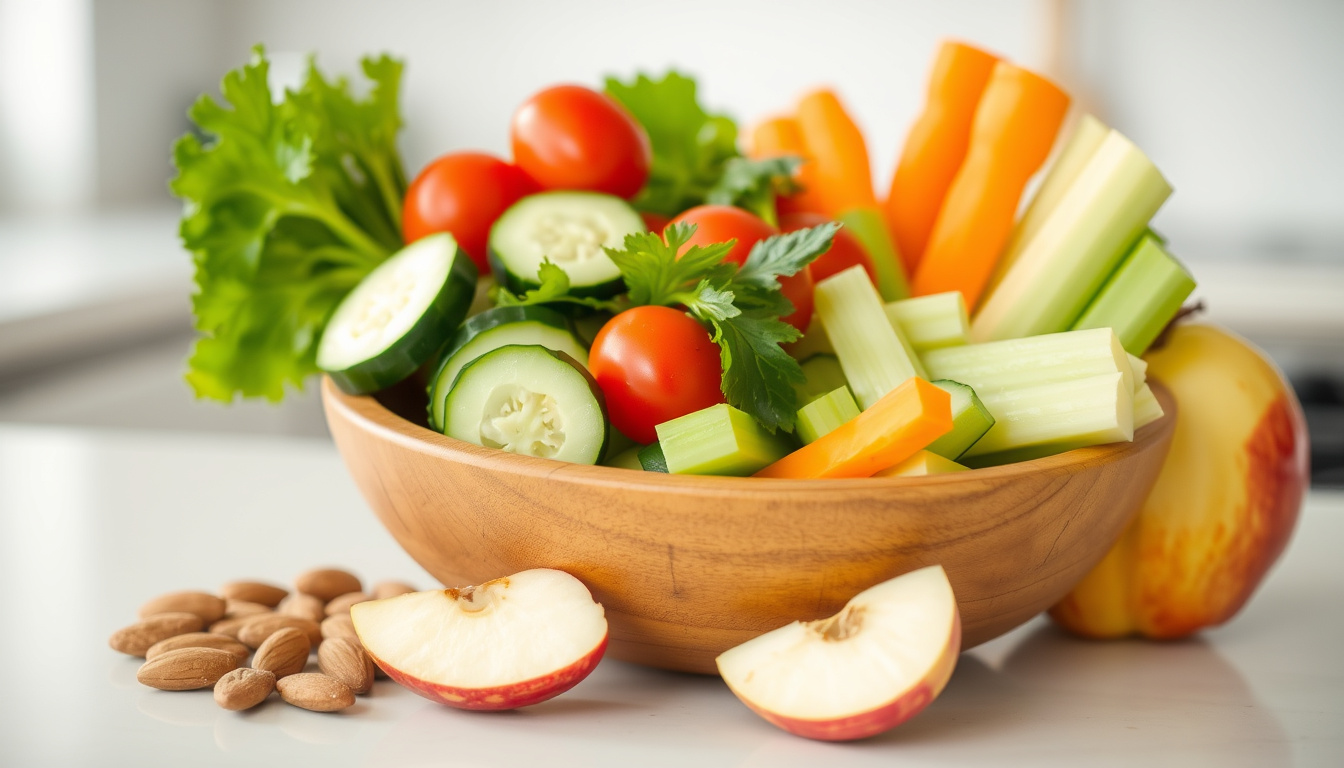
- Non-starchy vegetables like cucumber, celery, and lettuce are under 20 calories per serving (Healthline)
- True zero-calorie snacks do not exist; most have negligible calories (e.g., black coffee, herbal tea).
- The British Heart Foundation recommends snacks under 100 calories (BHF (heart health charity))
Comparison of calorie counts in common snacks
- Cucumber (100g): 15 calories
- Celery (100g): 16 calories
- Sugar-free gelatin (1 cup): ~10 calories
- Black coffee: ~2 calories
True zero-calorie foods are a myth; the closest options are water-rich vegetables and unsweetened drinks. Relying solely on them can leave you undernourished.
The implication: if you want to keep calorie count as low as possible, fill your plate with non-starchy vegetables and stay hydrated with calorie-free beverages.
What snacks fill you up but are low in calories?
Fiber-rich choices: popcorn, berries, whole fruits
- Air-popped popcorn (3 cups) has ~100 calories and provides fiber for fullness (WebMD)
- 1 cup (150g) of blueberries provides 3.6g of fiber (Healthline)
- Fiber helps slow digestion and prevents glucose spikes (FreeStyle Libre US (Abbott Diabetes Care))
Protein-packed options: Greek yogurt, cottage cheese, hard-boiled eggs
- Nonfat Greek yogurt (6 oz) contains 15–20g protein and ~100 calories (FreeStyle Libre US (Abbott))
- A half-cup of cottage cheese provides almost 13g protein and 4g carbohydrates (Healthline)
- One large hard-boiled egg provides 6.3g protein and about 0.5g carbohydrates (Healthline)
Volume-eating strategies: water-rich foods and soups
- Mayo Clinic emphasizes eating vegetables and lean protein to feel full on fewer calories (Mayo Clinic (medical research institution))
- Broth-based soups (under 100 cal per cup) can provide volume without calorie load.
The combination of protein and fiber triggers satiety hormones. For anyone trying to lose weight, choosing snacks with both nutrients can cut overall daily intake by 200–300 calories naturally.
The pattern: fiber gives bulk, protein keeps you satisfied longer. Together they turn a 100-calorie snack into a genuine hunger stopper.
What snack is best for losing weight?
Top 5 snacks under 100 calories for weight loss
- Low-fat ice cream (½ cup) – ~100 cal
- Air-popped popcorn (3 cups) – ~100 cal
- Apple (1 medium) – ~95 cal
- Nonfat Greek yogurt (6 oz) – ~100 cal
- Carrot sticks with hummus (2 tbsp) – ~100 cal
WebMD lists 25 snacks under 100 calories, including slow-churned ice cream and air-popped popcorn (WebMD)
Comparison of satiety per calorie: fruit vs. processed snacks
Snacks combining protein and fiber (e.g., apple with peanut butter) are most effective for weight loss (BHF)
Role of portion control and pre-portioned packs
- BHF recommends blueberries with yogurt and cottage cheese on rice cakes (BHF)
- Pre-packaged single servings (e.g., 100-calorie almond packs) help avoid overeating.
For weight loss, the best snack is one that pairs protein with fiber and stays under 100 calories. Pre-portioning removes the guesswork.
The trade-off: processed low-calorie snacks like rice cakes offer convenience but lack staying power; whole food combos take a bit more prep but pay off in satiety.
What are good snacks for Type 1 diabetics?
Low-carb snack options for blood sugar control
- Snack choices for type 1 diabetes emphasize low-glycemic, high-fiber foods (e.g., carrot sticks with hummus) (American Diabetes Association (diabetes research & advocacy))
- Turkey roll-ups with cheese: ~12g protein, 1-2g carbs per 2 roll-ups (Byram Healthcare)
- One ounce of almonds: 6g protein, 6g carbs (3g fiber), 14g fat (Byram Healthcare)
Snack timing and carbohydrate counting
- Nuts are rich in heart-healthy fats, protein, and magnesium, nutrients linked to better insulin sensitivity (Byram Healthcare)
- Recommended portion of nuts is ¼ cup to avoid excess calories (Byram Healthcare)
- Sliced vegetables with 2-3 tbsp guacamole or hummus: ~2g protein, 8g carbs, 7g fat – under 200 calories (Byram Healthcare)
Non-starchy vegetables, nuts, and cheese
- American Diabetes Association recommends nuts, seeds, and non-starchy vegetables as smart snacks (American Diabetes Association)
- Avocado (100g) contains ~8g carbohydrates (Healthline)
- Avoid sugary drinks and refined-carb snacks to prevent blood sugar spikes.
For diabetics, even healthy low-calorie snacks can spike blood sugar if portion sizes aren’t controlled. Always count carbohydrates, not just calories.
The implication: for Type 1 diabetics, low-calorie snacks must also be low-carb and high in protein or fiber. Pre-portioned nuts and veggie sticks are safe go-tos.
How to feel full on 1200 calories a day?
Building a 1200-calorie meal plan with filling snacks
- Eating under 1200 calories per day is generally not recommended without medical supervision (Mayo Clinic)
- Feeling full on 1200 calories requires densely nutritious, high-volume foods like leafy greens and lean protein.
- Including 2–3 low-calorie snacks (e.g., celery with almond butter) can help manage hunger.
Importance of protein, fiber, and water
- Fiber-rich snacks (≥5g fiber) and protein-rich snacks (≥10g protein) are recommended for satiety (FreeStyle Libre US (Abbott))
- Drinking water before snacks adds volume and helps stretch the stomach.
Potential risks of very low-calorie diets
- Long-term very low-calorie diets can lead to nutrient deficiencies and metabolic slowdown.
- Always consult a dietitian before going below 1200 calories per day.
You can feel full on 1200 calories if each snack is a strategic combination of protein, fiber, and water. But the lower the calorie budget, the more unforgiving the math – one wrong snack can use up a third of your allowance.
The catch: 1200-calorie diets work for short-term weight loss under supervision, but they require precision. A single 300-calorie snack leaves only 900 for the rest of the day.
Seven popular low-calorie snacks compared, one pattern: those with both protein and fiber offer the best satiety-to-calorie ratio.
| Snack | Calories | Protein (g) | Fiber (g) |
|---|---|---|---|
| Nonfat Greek yogurt (6 oz) | 100 | 17 | 0 |
| Air-popped popcorn (3 cups) | 100 | 3 | 3.6 |
| Apple (1 medium) | 95 | 0.5 | 4.4 |
| Carrot sticks + hummus (2 tbsp) | ~100 | 3 | 3 |
Upsides
- Low-calorie snacking supports weight management
- Helps control blood sugar when snacks are low-glycemic
- Encourages nutrient-dense food choices
Downsides
- Risk of undereating if calories are too restricted
- Can trigger hunger if snacks lack protein or fiber
- Options shrink when shopping without a plan
Confirmed facts
- Non-starchy vegetables are very low in calories and high in water.
- Snacks containing protein and fiber promote satiety.
What’s unclear
- Whether zero-calorie foods (e.g., diet soda) aid weight loss long-term.
- Which single snack is universally best for weight loss – depends on individual dietary needs.
- Consuming fewer than 1200 calories daily is not recommended without medical oversight.
“Keeping snacks under 100 calories makes it easier to stay within your daily energy needs without feeling deprived.”
“To feel full on fewer calories, focus on vegetables and lean protein.”
Mayo Clinic (medical research institution)
“Snacks combining protein and fiber are the most effective for weight loss.”
WebMD (health information publisher)
The bottom line: low-calorie snacking is not about eating air – it’s about choosing foods that pack protein, fiber, and volume into every bite. For shoppers at Tesco or Lidl, the choice is clear: stock up on pre-portioned nuts, Greek yogurt, and fresh vegetables, or risk the 400-calorie muffin trap.
diabetes.org.uk, stvincents.org, diabetesfoodhub.org, blueshieldca.com, webmd.com
Frequently Asked Questions
Are rice cakes a good low-calorie snack?
Yes, rice cakes contain 35–60 calories each and can be topped with avocado, cottage cheese, or nut butter for added satiety (Byram Healthcare).
Can I eat nuts on a low-calorie diet?
Yes, but limit to ¼ cup per serving. Almonds provide 6g protein and heart-healthy fats (Byram Healthcare).
What are the best low-calorie drinks?
Water, black coffee, and unsweetened herbal tea have negligible calories. Avoid sugary beverages.
How many low-calorie snacks can I eat per day?
Most weight loss plans include 2–3 snacks per day, each under 100 calories, totaling 200–300 calories.
Are low-calorie snacks healthy for children?
Yes, but children need more calories than adults. Use snacks like fruit, yogurt, and veggie sticks.
What is the role of fiber in low-calorie snacking?
Fiber slows digestion, keeps you full, and helps prevent blood sugar spikes (FreeStyle Libre US (Abbott)).
Do zero-calorie foods really exist?
No. Even water-rich vegetables like cucumber have a few calories per serving. The closest are calorie-free drinks.

Ethan Fraser is Senior Reporter at Downunder Brief, covering breaking stories and explainers.