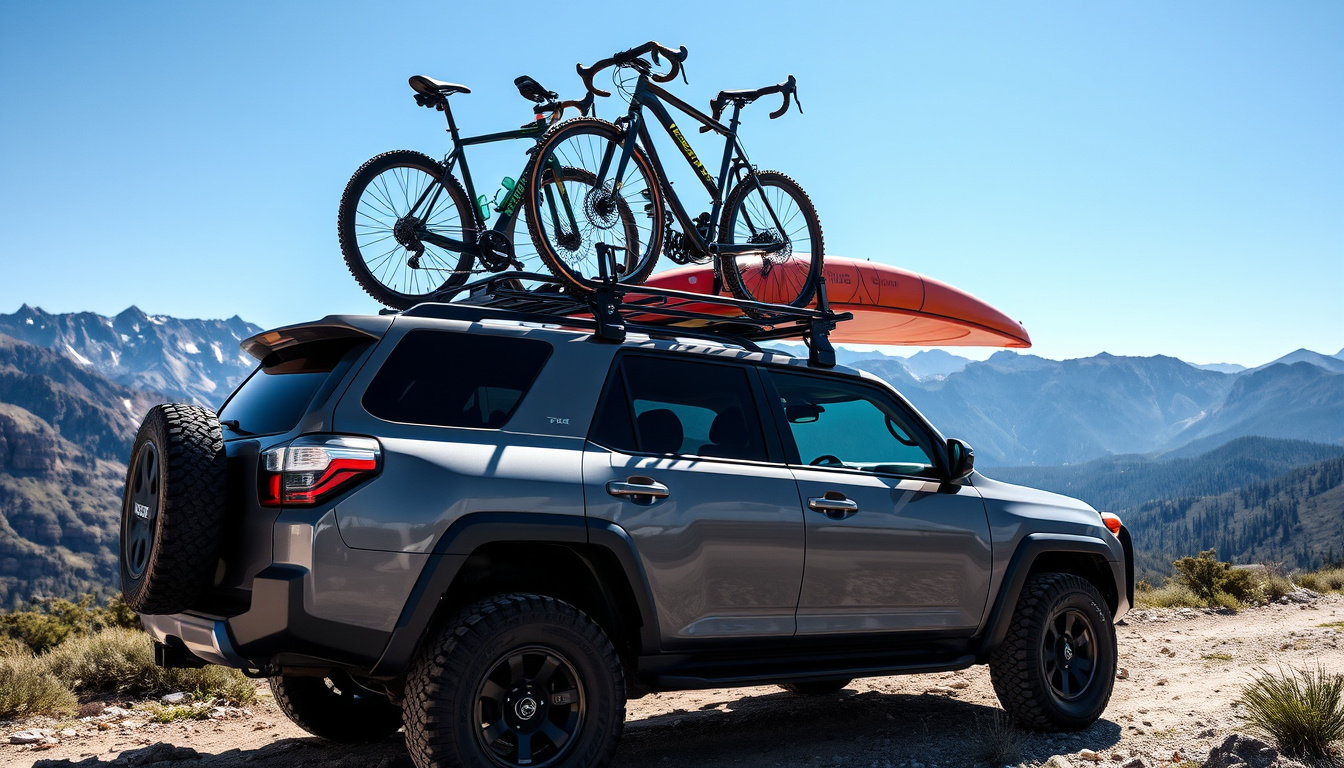
Yakima roof racks have established themselves as a leading choice for vehicle owners who need reliable cargo carrying solutions. From SUVs like the Toyota RAV4 and 4Runner to trucks and sedans, these modular systems offer flexibility through towers, crossbars, and vehicle-specific fit kits. Understanding the differences between models such as JetStream, TimberLine, and HD Bars can help buyers make informed decisions about which system matches their specific needs.
The brand’s reputation for durability and versatility has grown significantly among overlanding enthusiasts and everyday commuters alike. With weight capacities reaching up to 220 pounds depending on the model and vehicle, Yakima systems compete directly with established brands like Thule while offering distinct advantages in certain applications.
What Is the Best Yakima Roof Rack?
Selecting the ideal Yakima roof rack depends largely on your vehicle type, intended cargo, and mounting configuration. The manufacturer offers several distinct product lines, each designed for specific use cases and roof styles.
Key Insights to Consider
- Yakima offers modular systems that allow for easy expansion as needs change
- Aero-shaped crossbars like JetStream significantly reduce wind noise compared to round bars
- Universal base compatibility covers approximately 90% of vehicles, though vehicle-specific verification remains essential
- Weight ratings vary between 150 and 220 pounds depending on crossbar type and vehicle specifications
- T-slot compatibility enables versatile accessory mounting across the entire bar length
- Factory raised rails on vehicles like the Toyota Highlander and 4Runner simplify installation with TimberLine systems
- HD Bars provide superior load handling for heavy overlanding gear with integrated tie-down points
Model Comparison and Specifications
| Model | Bar Type | Capacity | Crossbar Options |
|---|---|---|---|
| SkyLine Towers | Aluminum | Up to 220 lbs | JetStream (Aero), HD |
| TimberLine Towers | Aluminum | 165–220 lbs | JetStream, CoreBar |
| HD Bars | Heavy-duty aluminum | Vehicle-dependent (high) | Integrated T-slots |
| BaseLine | Steel/vinyl | 150–165 lbs | Round, CoreBar |
| SkinnyWarrior | Narrow profile | 165 lbs | Round |
| JetStream Aero | Aerodynamic | 220 lbs | T-slots full-length |
| CoreBar | Steel, vinyl-wrapped | 165 lbs | Traditional mount |
How Do I Install a Yakima Roof Rack?
Installing a Yakima roof rack follows a straightforward modular process involving three main components: vehicle-specific fit kits, towers, and crossbars. Understanding each stage ensures a secure and stable installation that performs reliably under load.
Step-by-Step Installation Process
The installation begins with selecting the correct vehicle-specific Landing Pads or Fit Kits, which include rubber pads and metal brackets designed to match the curvature of your specific roof type. These components provide the foundation for secure attachment and help protect your vehicle’s roof from damage during installation and use.
Mounting the Towers
Tower attachment varies depending on your vehicle’s roof configuration. For raised rails, TimberLine towers use stainless steel straps that wrap around the factory rails and torque securely to the specified rating. Fixed mounting points on vehicles like the GMC Hummer EV require SkyLine towers that bolt directly into existing attachment points.
Always use a torque wrench when securing tower mounting bolts. Yakima specifies precise torque ratings for each vehicle application, and over-tightening can damage both the rack and your vehicle’s roof mounting points.
Crossbar Attachment
JetStream Aero crossbars mount using the integrated T-slot system that runs the full length of each bar. This design allows accessories to be positioned anywhere along the bar rather than being limited to fixed mount points. Adding rubber infill strips to the T-slots when not using accessories helps reduce wind noise and whistle effects during highway driving.
Finishing Touches
Completing the installation involves attaching a wind fairing (typically 40 inches for most applications) and optionally adding SKS lock cores for theft prevention. These locks are sold separately but provide peace of mind when leaving gear mounted on your vehicle. Installation videos demonstrate the process on vehicles like the 2025 Ram 1500 with BaseLine system, showing the sturdy fit and measuring the added roof height.
Are Yakima Roof Racks Universal?
Yakima roof racks utilize a universal base system that accommodates approximately 90% of vehicles on the market, but achieving a proper fit requires selecting the correct vehicle-specific components. The system’s modular design means that the same crossbars and towers can work across multiple vehicles when paired with appropriate fit kits.
Understanding Vehicle Compatibility
Toyota vehicles with factory raised rails, such as the RAV4, Highlander, and 4Runner, pair naturally with TimberLine tower systems that wrap around the existing roof rails. Vehicles without factory rails may require Landing Pads or Base Clips that bolt directly to the roof at designated attachment points.
Always verify compatibility using Yakima’s official vehicle fit guide before purchasing. Pre-fitted bundles available from retailers like The Rack Shop ensure exact match for specific model years, eliminating guesswork in component selection.
Roof Type Considerations
Different roof configurations determine which Yakima system works best for your vehicle. Smooth roofs without any rails require kits with rubber pads that conform to the curved surface. Raised rails, whether factory-installed or aftermarket, provide more mounting options and typically allow for the simpler TimberLine installation process.
Yakima Roof Rack vs Thule: Which Is Better?
Comparing Yakima and Thule reveals distinct philosophies in roof rack design. 2026 comparisons indicate that Yakima excels in versatility and load capacity, particularly for heavy overlanding applications, while Thule offers more seamless integration on certain vehicle types.
Wind Noise and Aerodynamics
Both manufacturers produce aero-shaped crossbars designed to minimize wind noise and reduce drag. Yakima’s JetStream and Thule’s Wingbar Aero share similar wing profiles that channel airflow over the bars. T-slot infill strips on both brands help eliminate the whistle effect that occurs when air passes through open slot channels.
Strength and Load Capacity
Yakima’s HD Bars utilize engineered aluminum with integrated tie-down points, making them particularly suited for overlanding gear that requires secure anchoring. Thule focuses on precise torque specifications and seamless aesthetic integration. User reviews describe Yakima as an “American workhorse” for adventurers who prioritize function, while Thule appeals to those seeking a more refined appearance.
Regardless of brand, always verify the dynamic and static weight ratings for your specific vehicle. The rack’s capacity and your vehicle’s roof rating may differ, and the lower limit determines safe loading limits. For those prioritizing function and an American workhorse, Yakima’s HD Bars are a great option, and you can find a detailed guide on their roof racks here: Chicken pot pie recipe.
Accessory Ecosystem
Both brands maintain broad accessory compatibility through universal mounting standards. Yakima’s T-slot system accepts most aftermarket accessories, and adapter components like the #8003541 enable HD Bars to work with StreamLine tower systems for expanded configuration options.
Evolution of Yakima Roof Rack Technology
Yakima has progressively refined its roof rack offerings over several decades, with key product launches and updates marking significant milestones in the brand’s development.
- 1995: Yakima introduces its first dedicated roof rack product line, establishing the foundation for the company’s future expansion into vehicle cargo solutions
- 2015: Launch of JetStream Aero crossbars, marking a shift toward aerodynamic design that significantly reduced wind noise during highway driving
- 2018: Introduction of HD Bars targeting the overlanding and heavy-duty market segment with integrated tie-down functionality
- 2022: TimberLine tower system updated with improved rail compatibility for modern SUV applications
- 2024: Updated lock core systems across the product line for enhanced security features
- 2025: Expanded T-slot accessories and pre-bundled vehicle-specific kits simplify the purchasing process
What Is Known and What Remains Unclear
Documented information about Yakima roof racks provides clear guidance on many aspects of the product line, though certain details require further verification from official sources.
| Established Information | Information Requiring Verification |
|---|---|
| Universal base system fits approximately 90% of vehicles with appropriate fit kits | Specific 2025 Toyota model review coverage remains limited in available sources |
| Weight capacities (165–220 lbs) tested in controlled laboratory conditions | Long-term durability data across various climate conditions |
| TimberLine compatible with raised rail vehicles including Toyota Highlander and 4Runner | Exact fit specifications for newer vehicle models released in 2025 |
| JetStream Aero bars minimize wind noise through wing-shaped profile | Precise fuel economy impact measurements comparing aero vs round bars |
| SKS locks sold separately as anti-theft measure | Warranty claim statistics and common failure modes |
The Roof Rack Market Context
The roof rack market has evolved substantially as outdoor recreation participation has grown. SUV sales, particularly models with factory roof rails, have created a larger potential customer base for modular cargo systems. Consumers increasingly seek gear that serves multiple purposes and adapts to changing needs rather than single-purpose equipment.
Yakima positions its products within the adventure lifestyle category, emphasizing versatility and durability over purely aesthetic considerations. The brand’s focus on modularity allows customers to purchase a base system and expand functionality as their outdoor activities diversify. This approach contrasts with more specialized systems that serve singular purposes but offer deeper integration with specific activities.
Price positioning across the $200 to $600 range reflects the variety of configurations available, from basic round bar setups for occasional use to comprehensive HD Bar systems designed for serious overlanding expeditions. Retailers including REI, Amazon, and specialty rack shops provide multiple purchase channels, though vehicle-specific bundled kits from dedicated rack retailers often provide the best value and compatibility assurance.
“Yakima’s modular approach means you’re not locked into a single configuration. Start with a basic setup and expand as your needs grow.” — REI Buyer’s Guide documentation
“JetStream bars consistently rank as best-sellers because they solve the wind noise problem that plagued earlier designs.” — The Rack Shop product notes
Summary and Recommendations
Yakima roof racks represent a versatile and durable option for vehicle owners seeking cargo carrying solutions. The modular system architecture allows customization across different vehicle types and use cases, from daily commuting with occasional bike transport to serious overlanding expeditions requiring heavy-duty gear hauling. JetStream Aero crossbars address the common complaint of wind noise, while HD Bars provide the strength demanded by overlanding enthusiasts.
For Toyota SUV owners with factory raised rails, TimberLine systems offer straightforward installation and reliable performance. Those with smooth roofs or fixed mounting points should consider SkyLine towers paired with JetStream crossbars for maximum weight capacity. Verifying compatibility through Yakima’s official vehicle fit guide before purchase prevents installation complications and ensures the selected components will work with your specific vehicle.
For readers interested in broader vehicle accessory comparisons, the Harvey Norman Clearance Sale provides context on how major retailers position similar product categories. Alternatively, those planning road trips may find the Renmark Big 4 Riverfront Holiday Park Guide useful for destinations where roof rack cargo capacity becomes particularly valuable.
Frequently Asked Questions
What are the main components of a Yakima roof rack system?
A complete Yakima system consists of three primary components: vehicle-specific fit kits (Landing Pads or clips), towers (SkyLine or TimberLine), and crossbars (JetStream, CoreBar, or HD). Accessories like fairings and locks complete the setup.
How much weight can a Yakima roof rack hold?
Weight capacity ranges from 150 to 220 pounds depending on the crossbar model and your vehicle’s roof rating. JetStream Aero bars support up to 220 lbs, while round bars typically handle 150–165 lbs. Always verify your vehicle’s specific limit.
Can I install a Yakima roof rack myself?
Yes, most installations can be completed with basic tools in 30–60 minutes. The process involves attaching fit kits to your roof, mounting towers, sliding crossbars into place, and torquing all fasteners to specified ratings.
Which Yakima crossbar is quietest?
JetStream Aero crossbars provide the quietest operation through their wing-shaped profile that channels airflow over the bar. Adding rubber T-slot infills when accessories are not mounted further reduces wind noise.
Are Yakima roof racks compatible with Toyota vehicles?
Yakima offers fit kits for most Toyota models including RAV4, Highlander, and 4Runner. Vehicles with factory raised rails work with TimberLine towers, while smooth-roof models require Landing Pad kits.
What is the difference between TimberLine and SkyLine towers?
TimberLine towers wrap around raised rails using stainless steel straps, while SkyLine towers bolt directly into fixed mounting points on smooth-roof vehicles. The choice depends entirely on your vehicle’s roof configuration.
Do Yakima roof racks come with locks?
SKS lock cores are sold separately and can be installed in the towers to prevent theft of the rack itself. Most users consider them essential when leaving gear mounted on the vehicle overnight.
Related stories



Andrew Patel leads fact-checking, source verification and corrections at Downunder Brief.