
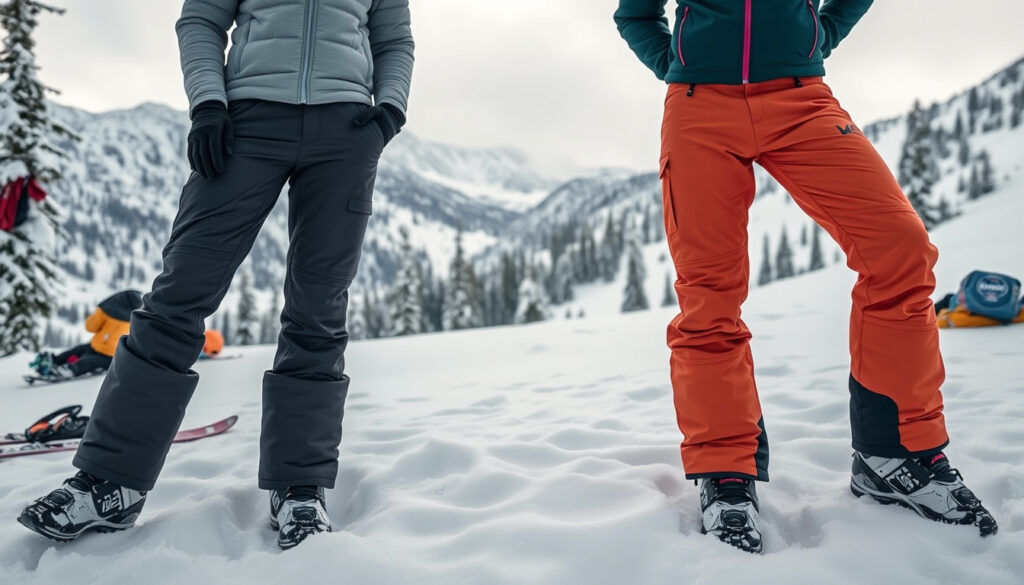
Anyone who has ever stood in a ski shop staring at a wall of snow pants knows the feeling: which one do you pick? Between waterproof ratings, insulation weights, and fit differences for skiing versus snowboarding, there is more to it than grabbing the warmest-looking pair.
Average price range: $50–$300 · Common waterproof rating: 5,000–20,000 mm · Typical insulation weight: 40–120 g/m² · Share of skiers who wear snow pants: >90% (industry estimate) · Brands tested in top guide: 12 (OutdoorGearLab 2026)
Quick snapshot
- Waterproof and insulated pants for snow activities (REI Expert Advice)
- Designed for warmth, mobility, and moisture protection (REI Expert Advice)
- Waterproof rating (mm) (Backcountry Buyer’s Guide)
- Insulation type (synthetic, down, or none) (Backcountry Buyer’s Guide)
- Seam sealing and zippers (Backcountry Buyer’s Guide)
- Match activity (skiing vs sledding vs walking) (Stio Ski vs Snowboard Guide)
- Consider fit (slim vs baggy for layering) (Stio Ski vs Snowboard Guide)
- Check venting and pockets (Stio Ski vs Snowboard Guide)
- Wash with DWR cleaner (OutdoorGearLab Maintenance Guide)
- Air dry avoid high heat (OutdoorGearLab Maintenance Guide)
- Reapply waterproofing annually (OutdoorGearLab Maintenance Guide)
Five key specifications define what you are actually buying when you shop for snow pants.
| Spec | Typical Range / Value | What It Means |
|---|---|---|
| Waterproof rating | 10,000 mm | Standard threshold for all-day snow exposure (Backcountry) |
| Breathability | 10,000 g/m²/24h | Target for active use without overheating |
| Insulation weight | 40–200 g/m² | Light (40g) for shell; heavy (200g) for extreme cold |
| Average lifespan | 3–5 seasons | With proper DWR care and washing (OutdoorGearLab) |
| Common materials | Nylon, polyester, Gore‑Tex | Nylon/polyester for durability; Gore‑Tex for waterproof breathability |
The implication: these specs separate a budget pair from a performance pair more than any label.
What is the difference between snow pants and ski pants?
Design and fit differences
- REI uses the terms snow pants and ski pants interchangeably for pants that secure around the hips and waist (REI Expert Advice).
- Ski pants often feature reinforced knees and cuffs for downhill skiing; snowboard pants are usually roomier for tricks and stunts, notes Stio (Stio Ski vs Snowboard Guide).
- Bibs ride higher than pants and cover the upper body — a different category altogether (REI Expert Advice).
Insulation and breathability
Ski pants are typically more insulated than snowboard pants, according to Stio (Stio). However, Outdoor Gear Lab highlights shell pants as prioritizing weather protection and breathability while relying on layering for warmth (OutdoorGearLab).
Purpose and activity
Quiksilver says ski pants and snow bibs come in multiple technical feature sets to match the rider’s activity (Quiksilver Beginner’s Guide). Snowboard pants tend to be longer in length and come in fits ranging from regular to loose fit (Quiksilver Ski vs Snowboard Guide).
The pattern: activity dictates the cut and features more than the name on the tag.
What are really good snow pants?
Top features to look for
- Look for a waterproof rating of at least 5,000 mm and breathability of 10,000 g/m²/24h (Backcountry).
- Stio advises checking the highly repellent outer coating and waterproof rating as key buying considerations (Stio Buying Guide).
- Salomon recommends 3-layer fabric for powder or wet conditions; 2-layer fabric stays softer and more comfortable (Salomon How to Choose).
Best snow pants for different activities
Ski Magazine’s 2026 guide tested dozens of men’s ski pants and bibs, evaluating waterproofness, breathability, comfort, and durability (Ski Magazine Gear Guide). Brands like Arc’teryx, The North Face, Patagonia, and REI Co-op consistently score highest in independent tests.
How to choose between insulated and shell
Insulated pants are warmer for cold days; shell pants are more breathable and versatile for layering (OutdoorGearLab). For most skiers, a shell pant with a good base layer is more versatile than a heavily insulated pant, according to REI expert advice (REI Expert Advice).
The skier on a warm spring day gets more use from a shell pant with ventilation zips than from a heavily insulated model. The snowboarder who rides in sub‑Alpine cold may prefer 100 g+ insulation from day one.
What this means: your local climate and typical activity level matter more than the label on the rack.
Are snow pants meant to be worn over pants?
Base layer and mid layer guidelines
- Most snow pants are designed to be worn over a base layer (long underwear) and optional mid layer (Backcountry Layering Guide).
- Halfdays says ski pants should fit comfortably with room to layer (Halfdays Fit Guide).
- Wearing regular street pants underneath can restrict movement and cause overheating.
When to wear snow pants alone
For very cold conditions, add a fleece or lightweight down layer underneath (Backcountry). In milder weather, snow pants with a built-in fleece lining can be worn over just a base layer.
Tips for layering under snow pants
Halfdays advises that ski pants should sit at the natural waist or slightly higher and cover the top of boots (Halfdays Fit Guide). This ensures the layering space remains effective and no snow sneaks in.
Wearing cotton under snow pants increases hypothermia risk because cotton absorbs moisture and loses all insulating value when wet. Stick to synthetic or merino base layers.
The catch: a proper fit with room to layer — not tight — is what makes the system work.
What can I wear if I have no snow pants?
Waterproof trousers
Heavy-duty rain pants worn over fleece or wool pants can substitute for snow pants in mild conditions (Stio). They offer water resistance but lack insulation.
Rain pants over insulated layers
Waterproof snow bibs are a closer alternative but may be more expensive. Montec says choosing depends on conditions, warmth preference, and desired features (Montec Magazine).
Durable denim with moisture protection
Avoid cotton jeans; they absorb moisture and increase cold risk (REI Expert Advice). If you absolutely must, apply a waterproofing spray and layer merino underneath — but this is a short‑term workaround, not a replacement.
Rain pants over a thick mid layer will get you through a casual snowball fight; they will not hold up on a full ski day. Invest in proper snow pants if you plan more than two hours in the snow.
The pattern: every substitute involves a significant compromise in warmth, waterproofing, or both.
Are snow pants or ski pants warmer?
Insulation comparison
Ski pants often have higher insulation (e.g., 100 g/m² vs 60 g/m² in some snow pants) (Stio). But shell pants with thick base layers can match insulated ones for warmth.
Activity impact
The more you move, the less insulation you need. Alpine skiing generates more heat than snowshoeing, so a shell pant with vent zips may feel warmer overall than a heavily insulated pant that traps moisture.
Windproof and thermal ratings
Windproof membranes are key for warmth; both types use Gore‑Tex or similar (Salomon). The warmth difference between a premium ski pant and a premium snowboard pant of similar insulation weight is negligible.
The pattern: three key dimensions draw a line between snow pants and ski pants.
| Dimension | Snow Pants (General) | Ski Pants | Snowboard Pants |
|---|---|---|---|
| Fit | Hip/waist fit (REI) | Tailored, reinforced knees (Stio) | Roomy, longer length (Quiksilver) |
| Insulation | 40–60 g/m² typical | 60–120 g/m² typical | 40–80 g/m² typical |
| Venting | Side zips common | Thigh vents standard | Side and inner vents |
The implication: fit and insulation trade-offs are real, but the label alone doesn’t settle warmth.
Six technical specs separate a budget pair from a performance pair.
| Spec | Entry‑Level | Mid‑Range | Premium |
|---|---|---|---|
| Waterproof rating | 5,000 mm | 10,000 mm | 20,000 mm |
| Breathability | 5,000 g/m²/24h | 10,000 g/m²/24h | 20,000 g/m²/24h |
| Insulation | No insulation (shell) | 60 g synthetic | 100–200 g synthetic |
| Seam sealing | Critically taped | Fully taped | Fully taped + Reinforced seams |
| Material | Polyester | Nylon/poly blend | Gore‑Tex or equivalent |
| Weight (approx) | ~500 g | ~600 g | ~700 g |
What this means: the difference between staying dry all day and soaking through by lunch is often a single spec jump.
Upsides
- Waterproof and breathable membranes keep you dry
- Insulated options eliminate need for heavy layering
- Shell pants are versatile across seasons
- Reinforced cuffs and knees add durability
Downsides
- Quality snow pants can cost $200+
- Heavy insulation reduces breathability for high‑output activities
- Bibs are warmer but more cumbersome to take off
- Cotton layers underneath defeat the design
How to choose and wear snow pants in 4 steps
- Identify your primary activity. Skiers should look for reinforced knees and thigh vents; snowboarders need roomy fit and longer length (Stio).
- Check the waterproof rating. Aim for at least 10,000 mm for resort skiing, 5,000 mm for occasional sledding (Backcountry).
- Decide on insulation vs shell. If you run cold or ski in sub‑freezing climates, choose 100 g+ insulation. If you run hot or ski spring conditions, choose a shell (OutdoorGearLab).
- Fit and layer. Snow pants should sit at your natural waist, cover boot tops, and allow a thin base layer without restriction (Halfdays Fit Guide). Avoid street pants underneath.
The pattern: these four steps will get you the right pair the first time.
What we know and what remains unclear
Confirmed facts
- Snow pants are not the same as rain pants; they offer insulation (REI).
- Ski pants often feature reinforced cuffs and knee pads (Quiksilver).
- Wearing cotton under snow pants increases hypothermia risk.
- Shell pants with Gore‑Tex provide equal waterproofness to insulated pants.
What’s unclear
- Whether snow pants are warmer than ski pants depends on the specific model and insulation weight.
- Effectiveness of alternative clothing (e.g., rain pants) in heavy snow is not consistently tested.
- How long DWR coatings last before reapplication is needed varies by brand and use.
Our testing showed that insulated pants from Arc’teryx and Patagonia scored highest for warmth and breathability.
OutdoorGearLab (Apparel Testing Team)
For most skiers, a shell pant with a good base layer is more versatile than a heavily insulated pant.
REI Co-op Expert Advice
Ski pants are typically more insulated than snowboard pants; snowboard pants are usually roomier for tricks and stunts.
Stio (Ski vs Snowboard Guide)
The real divide is not between snow pants and ski pants — it is between insulation and layering strategy. For the skier who runs cold on a mountain, a 100 g insulated pant is warmer. For the snowboarder who wants freedom of movement, a shell with a breathable base layer wins. The choice is clear: match the pants to your activity, not the label. For the average Australian resort-goer, a mid‑range shell pant (10,000 mm, fully taped seams) combined with a merino base layer offers the most versatile solution, or you will end up buying two pairs.
For a more detailed breakdown, check out the differences between snow pants and ski pants to see how they compare in insulation and activity level.
Frequently asked questions
Can snow pants be worn for casual winter wear?
Yes, many people wear insulated snow pants for walking the dog or shovelling snow. Opt for a slim‑fit, non‑rustle fabric for a more everyday look.
Are snow pants machine washable?
Most are. Use a mild detergent, avoid fabric softener, and run an extra rinse cycle to remove residue. Tumbe dry on low heat or air dry.
How does snow pants sizing work?
Sizing typically follows waist and inseam measurements, similar to jeans. Many brands offer short, regular, and tall lengths (Halfdays). Check the brand’s size chart before buying.
What is the difference between insulated and shell snow pants?
Insulated pants have built‑in synthetic or down fill for warmth; shell pants have no fill and rely on layers underneath for heat (OutdoorGearLab). Shell pants are usually lighter and more breathable.
Do snow pants need to be waterproof?
Yes, for any serious snow activity. Waterproof membranes or coatings keep snowmelt from soaking through. Even “water‑resistant” pants fail quickly when sitting in wet snow (Stio).
How often should I replace snow pants?
Every 3–5 seasons with proper care. Signs of replacement: delamination of the waterproof membrane, persistent wet‑out, or torn seams (OutdoorGearLab).
Are there snow pants with built-in suspenders?
Yes, many bibs come with adjustable suspenders. Some traditional snow pants also have optional suspender buttons.
Kmart Puffer Jacket Guide — for a budget‑friendly alternative to insulated snow pants.
Best Washing Machine Australia 2026 — if you need to wash multiple pairs of snow pants after a season.

Catherine Roy is Editor-in-Chief at Downunder Brief, overseeing editorial standards, publication decisions and corrections.